What Is a Fiduciary?
What Is a Fiduciary
Serving as a fiduciary for an employee benefit plan comes with significant responsibility. Under ERISA, fiduciaries are required to act solely in the best interests of plan participants and beneficiaries, making decisions with prudence, diligence, and care. Whether you’re a business owner, HR professional, finance leader, or member of a fiduciary committee, understanding these obligations is essential to protecting both your employees and your organization.
This resource center is designed to help employers navigate their fiduciary responsibilities with confidence. Explore educational materials, practical tools, and best-practice guidance to better understand fiduciary governance, committee oversight, plan monitoring, documentation requirements, and ongoing compliance obligations.
Why Fiduciary Responsibility Matters
Fiduciary oversight is one of the most scrutinized areas of employee benefits compliance. Failure to properly monitor plan operations, vendors, fees, or decision-making processes can expose organizations to regulatory penalties, audits, and costly litigation.
Establishing a documented fiduciary process can help organizations:
- Demonstrate prudent decision-making
- Improve plan governance and oversight
- Reduce compliance and litigation risk
- Protect plan participants and beneficiaries
- Create accountability among committee members
- Support ongoing ERISA compliance efforts
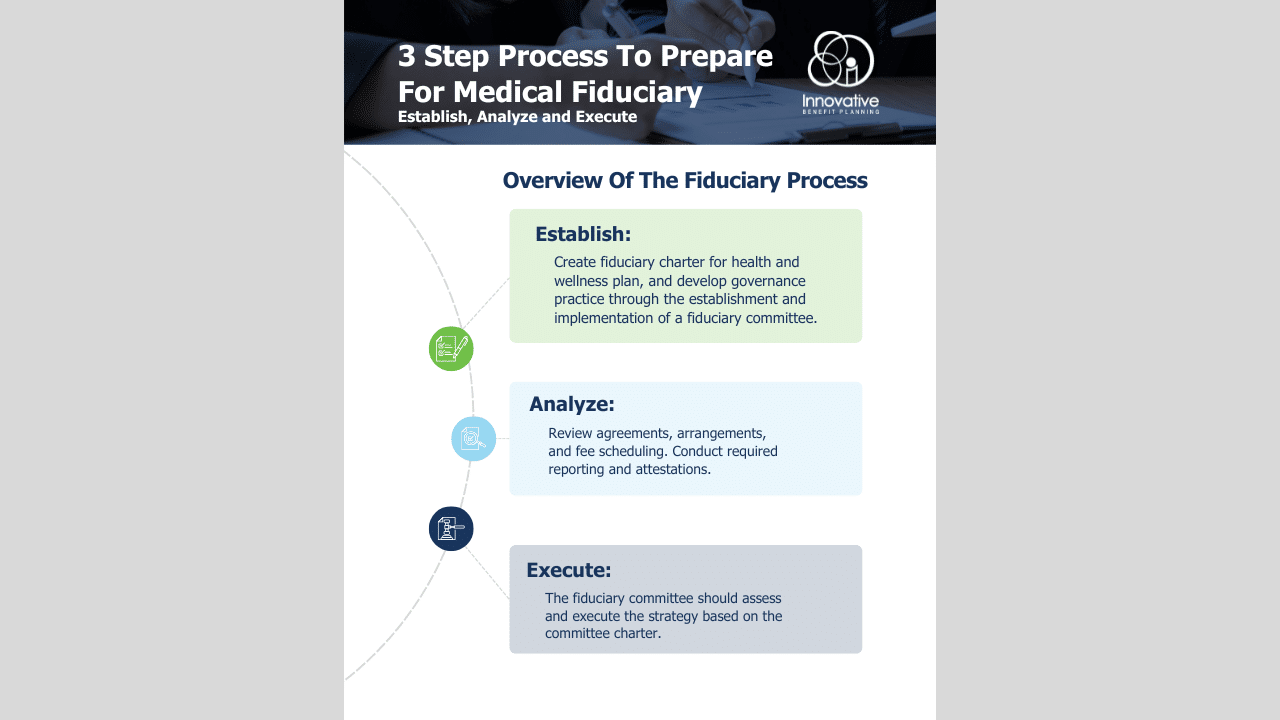
Fiduciary Committee Charter Sample
Common Fiduciary Responsibilities
Fiduciaries are generally responsible for:
- Acting solely in the interest of plan participants
- Monitoring service providers and vendors
- Reviewing plan fees and expenses
- Ensuring plan documents are followed
- Maintaining proper documentation of decisions
- Identifying and managing potential conflicts of interest
- Regularly reviewing plan performance and operations
Who May Be Considered a Fiduciary?
Many individuals may unknowingly serve as fiduciaries based on their responsibilities, including:
- Business owners
- Executive leadership
- HR professionals
- Benefits administrators
- Finance leaders
- Fiduciary committee members
- Anyone exercising discretionary authority over a benefit plan
Understanding whether you have fiduciary responsibilities is the first step toward fulfilling them effectively.